
CREDIT MANAGEMENT | LUXEMBOURG
Is your customer exposure still aligned with the risk you are carrying?
Credit Management | Risk Assessment & Exposure
Credit risk evolves over time. Financial performance, payment behaviour, market conditions and customer exposure can all change, sometimes quickly. RedWatch helps organisations assess customer risk, define appropriate credit limits and payment terms, and adjust exposure before risk turns into loss.

CREDIT RISK DOES NOT STAND STILL
Financial performance, payment behaviour, business conditions and exposure can evolve rapidly.
Effective Credit Management requires identifying these changes early enough to adjust decisions before the risk materialises.
Financial deterioration
Profitability, liquidity or cash generation weaken, increasing pressure on the customer’s ability to meet its financial obligations.
Changing payment behaviour
Payments become slower, agreed terms are no longer respected or requests for extensions become more frequent.
Growing exposure
Sales increase faster than payments, progressively increasing the amount of credit granted to the customer.
Sector or market pressure
Demand, competition, input costs or broader economic conditions can weaken even previously solid customers.
Ownership or management changes
Changes in shareholders, management or group structure can affect strategy, financial support and overall risk profile.
External events
Regulatory, geopolitical, legal or country-specific developments may affect a customer’s ability to operate or pay.
LOOKING BEYOND THE NUMBERS
Financial statements are essential, but they rarely tell the whole story.
FINANCIAL ASSESSMENT
-
Profitability
-
Liquidity
-
Solvency
-
Leverage
-
Cash generation
-
Financial trends
-
Payment behaviour
-
Current exposure
Credit risk
BUSINESS & QUALITATIVE ASSESSMENT
-
Sector dynamics
-
Company / group history
-
Market positioning
-
Ownership & management structure
-
Reputation
-
Customer / supplier concentration
-
Geographic exposure
-
Business model & competitive environment
A robust credit assessment combines financial analysis with a broader understanding of the customer’s business, ownership, management, market position and payment behaviour.
The objective is not simply to score a customer,
but to understand the risk behind the exposure.
FROM ASSESSMENT TO CREDIT DECISION
A credit assessment only creates value when it leads to clear, proportionate decisions.
The objective is to support profitable business while keeping customer exposure within an acceptable level of risk.


Credit limit
Payment terms
Risk vs profitability
Protection tools
Review frequency
Define a level of exposure consistent with the customer’s financial capacity, payment terms and expected business volume.
Adjust payment conditions to the level of risk, including shorter terms, deposits or payment before delivery when appropriate.
Assess whether the margin generated by the customer justifies the level of credit exposure and commercial concessions granted.
Use guarantees, parent company support, credit insurance or other forms of security when additional protection is required.
Adapt the frequency of credit reviews to the level of risk, exposure and changes in the customer’s situation.
Sound credit decisions create value by enabling sustainable, profitable growth
MONITORING CREDIT EXPOSURE
Credit risk must be monitored over time.
Changes in payment behaviour, financial performance, order volumes or market conditions can quickly alter the level of risk. Regular reviews help ensure that exposure remains aligned with the customer’s current situation.

Payment behaviour
Track delays, broken commitments, requests for extensions and changes in payment patterns
Exposure vs limit
Monitor how much of the approved credit limit is being used and whether exposure is increasing too quickly.
Periodic review
Reassess the customer regularly and adjust limits, payment terms or protection measures when needed.
Early warning signals
Identify financial, operational or market developments that may indicate a deterioration in risk.
TRACKING CREDIT PERFORMANCE
The right KPIs help show whether credit risk remains under control.
Monitoring a focused set of indicators helps keep customer exposure aligned with risk, detect deterioration early and support timely credit decisions.
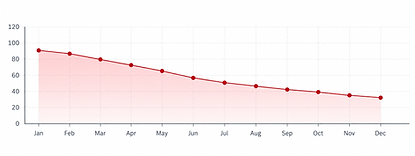
DSO
Days Sales Outstanding
0
60

90
120
56
days
-18%
30
vs previous 12 months
Industry brenchmark
63 dqys
Target
≤ 45 dqys
On track
DSO trend
Overdue trend >
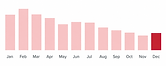
22%
of receivables overdue
Payment behaviour >
76%
paid on time

Credit limit usage >
68%
of total credit limit

Used
€ 34.2M
Total limit
€ 50.0M
Concentration risk >
31%
of receivables from
top 5 customers


High concentration
Consider diversifying customer base

DSO Formula
Trade receivables ÷ Sales × Days in period

Lower DSO supports faster collection and stronger cash flow
Good Credit Management means seeing where risk is building — and acting before it materialises.
FREQUENTLY ASKED QUESTIONS
How should a credit limit be determined?
A credit limit should reflect the customer’s financial capacity, expected business volume, payment terms and the level of exposure the company is prepared to accept. It should also take into account available guarantees, credit insurance and the profitability of the relationship.
How often should customer credit risk be reviewed?
Review frequency should depend on the level of risk and exposure. Higher-risk customers, rapidly growing accounts or customers showing signs of deterioration should be reviewed more frequently than stable, low-exposure accounts.
Which financial indicators are most relevant in a credit assessment?
Profitability, liquidity, solvency, leverage, cash generation and financial trends are commonly reviewed. Their relevance depends on the customer’s business model, sector and capital structure, so no single ratio should be assessed in isolation.
Why is payment behaviour important if the customer remains financially sound?
Payment behaviour can provide an early indication of changing risk. Increasing delays, repeated requests for extensions or broken payment commitments may signal operational or financial pressure before it becomes visible in published financial statements.
Should customer profitability influence a credit decision?
Yes. Credit exposure should also be considered in relation to the margin generated by the customer. A low-margin relationship may not justify the same level of unsecured exposure or commercial concessions as a more profitable one.